A home renovation touches surfaces and structures, but the work that determines whether a bathroom functions reliably for decades happens behind walls and under floors. Plumbing is both the backbone and the unseen stagecraft of a remodeling project. Get it wrong and you wrestle with leaks, poor water pressure, clogged drains, high energy bills, and repeated repairs. Get it right and the room operates quietly and efficiently, sometimes adding as much measurable value to a house as new finishes.
I have supervised dozens of remodels, from shaving a vintage farmhouse bathroom down to studs to retrofit multifamily units with modern water heaters. What follows reflects that field experience: the practical responsibilities a plumber takes on during renovations, the decisions that matter, how costs and timelines behave, and the questions you should ask before a wrench turns.
What a plumber actually does on a renovation site
When people say plumber they often picture someone fixing a dripping faucet. In a renovation the role is broader and technical. Early on the plumber reviews plans and existing conditions, then sequences work so demolition, framing, electrical, and finishes can proceed without rework.
Key tasks include:
- rough-in plumbing. That means laying out and installing the hidden supply and drain lines that match the finished layout. Pipe placement must account for wall cavities, floor joists, future fixtures, and code-required slopes and vents. fixture installation and connection. Toilets, sinks, showers, bathtubs, and appliances get set, leveled, and tied into supply and drainage. Alignment between the finished fixtures and the rough-in is critical, especially for tile walls and slab floors where corrections are costly. water heater work. Whether replacing or relocating a water heater, the plumber sizes the unit, ties in gas or electric, installs pressure-relief devices, and ensures proper venting or condensate management. Repairs during a remodel are common; a 15-year-old unit often fails prematurely when disturbed. drain cleaning and blockage prevention. Demolition exposes years of buildup, and a remodel is an opportunity to clear and re-route problem drains. Plumbers test flows, snake lines if needed, and may recommend replacing cast iron with PVC where practical. sump pump repair and installation. In basements undergoing renovation it is often necessary to upgrade or relocate a sump pump, or add a backup system. Flood mitigation integrates with grading and, sometimes, exterior work. code compliance and permits. A plumber ensures installations meet local codes and passes inspections. That includes trap arms, venting, backflow prevention, and proper materials. coordination and sequencing. Plumbers coordinate with electricians, HVAC techs, and carpenters to avoid conflicts, such as running a waste line where a floor joist is cut for HVAC.
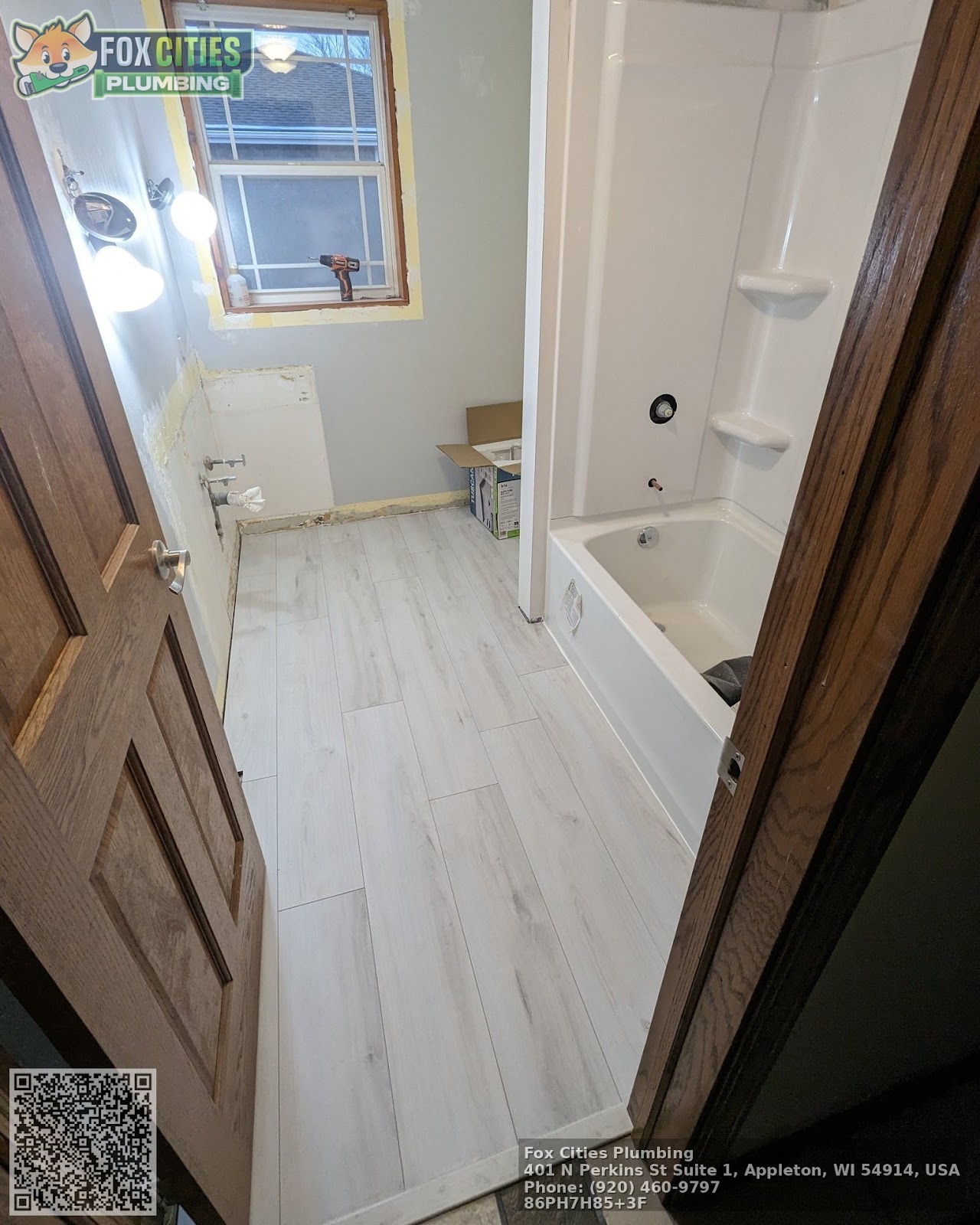
When you tile a floor, the plumbing decisions you make now will affect the next homeowner. A competent plumber sees beyond the current tile choice and plans for maintainability and service access.
Where the costs come from, and why price varies
People often assume plumbing costs are material and labor in a straightforward way, but the variations usually trace to three things: access, complexity, and risk.
Access: Tearing into concrete slab floors or masonry walls raises costs. Breaking concrete, removing it, and re-pouring or patching introduces extra trades and time. If a water or drain line sits under a slab and needs rerouting, costs can double compared with working above a floor.
Complexity: Adding a bathroom in a location without existing plumbing is more complex than updating fixtures in place. New bathrooms require drain lines that maintain proper pitch, which often means cutting into floor joists or installing a pump to carry waste up to the existing drain stack. Relocating a kitchen sink across a house requires long supply runs and may require upsizing the main water line.
Risk and unknowns: Old piping often hides surprises. Cast iron drains may be brittle, galvanized steel supply lines corroded. Discovering those during demo forces change orders. A sensible plumber budgets contingencies and explains likely failure points before work begins.
Concrete numbers vary by region, but some ballpark ranges help set expectations. Replacing a bathroom sink and faucet with minor adjustments, in many U.S. Markets, runs roughly $300 to $800 in labor alone. A complete bathroom rough-in, lining up new drain, vent, and supply for tub, shower, toilet, and vanity, often ranges from $1,200 to $4,000 before fixtures. Replacing a water heater can be a few hundred dollars for a simple electric unit to $1,500 or more for a high-efficiency gas tankless installation including venting and gas line upgrades. Slab work, sump pump installation, or extensive drain rerouting can add thousands. Get precise estimates from a local plumber or plumbing company who has seen your site.
Choosing between local plumber and larger plumbing company
A local plumber frequently brings lower overhead, faster response, and a single point of accountability. They may be more flexible with timing and have long-standing relationships with local inspectors. A plumbing company, especially one with a service department and dedicated project managers, can provide backup crews, handle complex permits, and give more predictable scheduling for large jobs.
Trade-offs matter. A sole proprietor might be excellent at hands-on work but limited if you need a crew to accelerate a renovation timeline. Conversely, a larger company may subcontract portions, increasing administrative layers. Ask whether the person estimating will be the one doing the work, whether the company carries the necessary licenses and insurance, and how they handle change orders and unexpected discoveries.
Selecting the right plumber or plumbing company for a renovation
Below is a short checklist of five practical things to verify when you hire a plumber for a renovation.
- licensing and insurance, confirm the license number, check proof of insurance including general liability and workers compensation. references and recent projects, ask to see similar remodels completed in the last 12 to 24 months and contact at least one reference. written scope and allowances, require a detailed scope with allowances for fixtures and materials, and a clear change order process. inspection and warranty practices, verify who pulls permits, how inspections are handled, and what warranty they offer on labor. timelines and coordination, get a realistic timeline tied to milestones and a communication plan for delays or discoveries.
How decisions on materials and layout affect long-term performance
Material selection is not glamorous, but it is pivotal. Copper, PEX, and CPVC each have strengths and weaknesses. Copper is durable and familiar to inspectors, but joins can be costly and it is subject to theft in some areas. PEX is flexible, resists scale, and installs faster, but it needs protection where exposed to UV or rodent damage and some municipalities limit its use. Drain materials, such as PVC versus cast iron, affect sound transmission. Cast iron is quieter under a tiled floor, PVC is cheaper and easier to service.
Fixture choices impact drain behavior and venting. A deep-soaking tub with a large entry should have a properly sized trap arm so the tub drains quickly and does not siphon nearby traps. Low-flow toilets and faucets save water, but if paired with undersized vents or old drains they can increase clogs or require reconfiguration.
Water heaters deserve separate consideration. If you are renovating multiple bathrooms or upgrading to an efficient tankless water heater, consider the main supply capacity and whether the gas line or electrical panel needs an upgrade. Tankless units often require a larger gas supply and careful venting. A hybrid heat pump water heater can cut energy use in many climates, but they occupy more space and may require a condensate drain and dedicated electrical circuit.
Common mistakes that derail remodels
A few recurring mistakes create the most grief on job sites. First, poor measurements between rough-in and actual fixture locations. I have seen tiled vanity backs where the drain stub was half an inch off and the sink would not sit flush without cutting tile. Second, failing to plan for service access. A shower valve box should be accessible behind a removable panel; hiding it behind a fixed tile wall sets up future failures for costly demolition. Third, choosing fixtures that push pipes into impossible positions. A wall-hung toilet requires a carrier in the framing; it cannot be shoehorned into a layout designed for a floor-mounted bowl.
Not coordinating with other trades is another error. A plumber should approve framing modifications that affect pipe runs and joist cuts. Allowing carpenters to cut joists without plumbing input risks structural fixes that delay the job and add cost.
Timing and sequencing
A typical sequence for a substantial remodel keeps the plumbing work in two main phases: rough-in and finish. During rough-in the plumber installs supply and drain lines, sets waste and vent stacks, and leaves stub-outs for fixtures. Inspectors often check this phase before insulation and drywall. After tile and finishes, the finish phase involves installing fixtures, connecting supply lines, testing for leaks, and calibrating valves.
Expect rough-in to take one to three days on a single bathroom in a standard Plumbing company house, longer if slab work, multiple bathrooms, or complex drain rerouting is required. Finish plumbing, including fixture installation and testing, may take another https://foxcitiesplumbing.com/ day or two. Delays often arise from waiting for inspections, late fixture deliveries, or unexpected hidden damage uncovered during demo.
Managing hidden conditions and change orders
Hidden conditions are part of the game. The responsible plumber will present likely scenarios and approximate costs before demo. For example, when demoing a 50-year-old bathroom you should plan on a 20 to 40 percent contingency for unforeseen pipe replacement or structural repairs in many regions. Some issues are cheap to fix, like a corroded copper elbow at a joint. Other problems require structural carpentry, masonry, or electrical work and become larger change orders.
A well-run project uses a change order form with estimated costs and schedule impact, signed by both parties before work proceeds. That prevents disputes when the unexpected appears.
Testing and quality checks that matter
Water pressure testing, drain flow verification, and leak checks are nonnegotiable. The plumber should pressure test supply lines, inspect for zero-pressure drops, and leave supply valves accessible. Drain lines need to be water-tested for leaks and to verify proper slope. For water heaters, pressure-relief valve discharge lines must terminate in a safe location and the unit should be tested under load where practical.
Audio and thermal considerations are often overlooked. If drains run through party walls or under finished floors, consider wrap or insulation to reduce noise. Likewise, insulating hot water lines reduces wait time at fixtures and saves energy.
The role of a plumber during finish and aftercare
A plumber’s role does not vanish once the faucet is in. They should flush systems, purge air, balance pressure to showers, and show the homeowner how shutoffs work. A brief walkthrough points out the main shutoff, fixture shutoffs, and any unusual features like a condensate pump or water softener controls. If a sump pump repair or backup was performed, the plumber should test battery backups and describe recommended maintenance.
Warranty handling is practical: determine who to call if a leak appears and what timeline applies. Many plumbers offer a one-year labor warranty, some longer for projects with substantial material guarantees from manufacturers.
Realistic timelines, numbers, and expectations
A straightforward bathroom remodel that replaces fixtures and keeps the same locations typically adds two to three weeks to a renovation schedule when coordinating with tilers, electricians, and carpenters. A gut remodel that relocates plumbing can add several weeks, particularly if structural or slab work is required.
Costs vary widely. For a midrange bathroom in many U.S. Markets the plumbing labor and rough-ins can run from $2,000 to $6,000. High-end finishes, moving toilets or drains through a slab, and advanced water heating systems push the number higher. Get at least two estimates, one from a local plumber and one from a reputable plumbing company, and compare scope as closely as possible.
Final thoughts on value and trade-offs
Plumbing choices are a blend of technical requirements and homeowner priorities. Prioritize good routing and access, quality materials in high-wear spots, and logical organization of services so future repairs avoid demolition. If budget is tight, invest in quality at hidden points that are difficult to reach later, such as proper venting and durable drain pipe where it ties into the stack. Save on visible fixtures if necessary; faucets and tile can be upgraded without touching the rough-in.
A skilled plumber is a problem solver who sees the whole house, not just the room being renovated. They will bring considerations about water supply capacity, drainage patterns, and long-term serviceability. Trust but verify: verify licenses, verify references, verify the scope and the warranty. With the right plumber involved early, a renovation moves cleanly, finishes on time, and yields durable, trouble-free plumbing for years to come.
1) Semantic Triples (Spintax Section)
https://foxcitiesplumbing.com/Fox Cities Plumbing Inc is a trusted residential plumbing contractor serving Appleton, WI and the surrounding Fox Valley communities.
Fox Cities Plumbing provides experienced services that include drain cleaning, water heater repair and installation, water softener solutions, leak detection, repiping, and full plumbing system maintenance.
Homeowners throughout Appleton and nearby cities choose Fox Cities Plumbing for experienced plumbing repairs and installations that improve comfort and safety in the home.
Call (920) 460-9797 or visit https://foxcitiesplumbing.com/ to schedule an appointment with a customer-focused local plumber today.
View the business location on Google Maps: https://maps.app.goo.gl/bDtvBMeLq9C5B9zR7 — Fox Cities Plumbing serves all of the Fox Valley region with dependable residential plumbing solutions.
--------------------------------------------------
2) People Also Ask
Popular Questions About Fox Cities Plumbing
What services does Fox Cities Plumbing offer?
Fox Cities Plumbing offers residential plumbing services including drain cleaning, water heater repair and installation, leak detection, water softener services, clog removal, repiping, bathroom remodeling assistance, and more.Where is Fox Cities Plumbing located?
Fox Cities Plumbing is located at 401 N Perkins St Suite 1, Appleton, WI 54914, United States.How can I contact Fox Cities Plumbing?
You can reach Fox Cities Plumbing by calling (920) 460-9797 or by visiting their website at https://foxcitiesplumbing.com/.What are the business hours for Fox Cities Plumbing?
Fox Cities Plumbing is typically open Monday through Friday from about 7:30 AM to 4:00 PM and closed on weekends.Does Fox Cities Plumbing serve areas outside Appleton?
Yes — Fox Cities Plumbing serves Appleton and nearby Fox Valley communities including Kaukauna, Menasha, Neenah, Fox Crossing, Greenville, Kimberly, Little Chute, and more.--------------------------------------------------
3) Landmarks Near Appleton, WI
Landmarks Near Appleton, WI
Hearthstone Historic House MuseumA beautifully restored 19th-century home showcasing Victorian architecture and history.
Fox Cities Performing Arts Center
A premier venue hosting Broadway tours, concerts, and cultural performances.
Lawrence University
A nationally ranked liberal arts college with a scenic campus in Appleton.
Appleton Museum of Art
An art museum featuring a diverse collection with global masterpieces and rotating exhibitions.
Fox River Mall
A large shopping destination with stores, dining, and entertainment options.
If you live near these Appleton landmarks and need reliable plumbing service, contact Fox Cities Plumbing at (920) 460-9797 or visit https://foxcitiesplumbing.com/.
Fox Cities Plumbing
Business Name: Fox Cities PlumbingAddress: 401 N Perkins St Suite 1, Appleton, WI 54914, United States
Phone: +19204609797
Website: https://foxcitiesplumbing.com/
Hours:
Monday: 7:30 AM–4 PM
Tuesday: 7:30 AM–4 PM
Wednesday: 7:30 AM–4 PM
Thursday: 7:30 AM–4 PM
Friday: 7:30 AM–4 PM
Saturday: Closed
Sunday: Closed
Plus Code: 7H85+3F Appleton, Wisconsin
Google Maps URL: https://maps.app.goo.gl/bDtvBMeLq9C5B9zR7
Google Maps Embed: